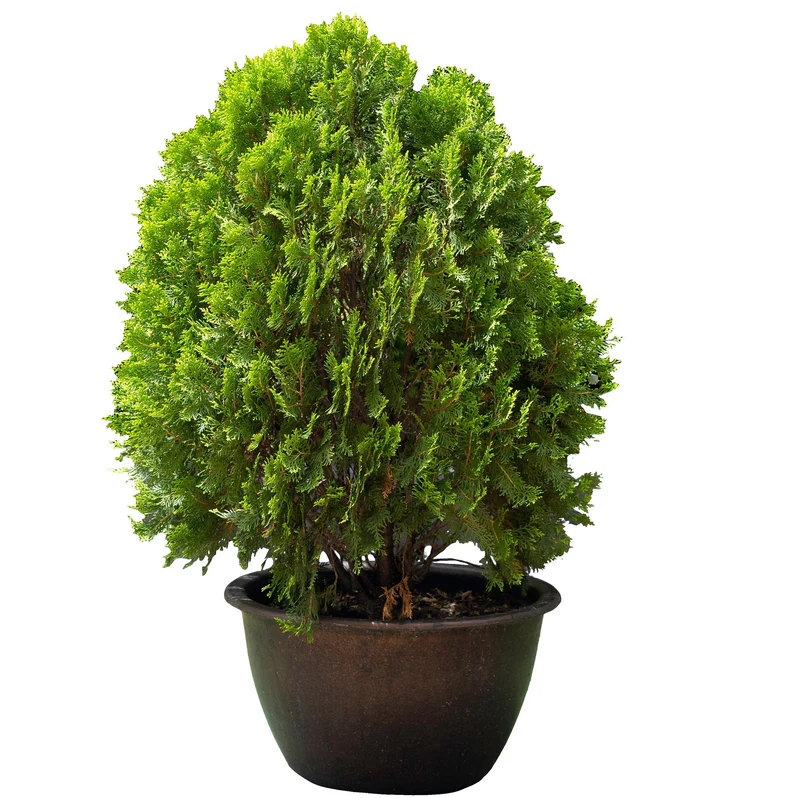
Thuja Orientalis Pyramidalis (Thuja Orientalis Pyramidalis/Arborvitae)
D420.00
+5% vat will be applied at checkout
-
Genus: Thuja
-
Family: Cupressaceae (conifers)
-
Native range: North America and Asia
-
Type: Evergreen conifer with a pyramidal growth habit
-
Size: Can reach up to 10 meters in height, depending on variety
-
Foliage: Dense, medium green, scale-shaped leaves; some cultivars offer varied colors
-
Branches: Flat sprays that create a layered, textured look
-
Fruits: Decorative bluish, rounded cones with small hooks
-
Ornamental value: Attractive evergreen form suitable for landscapes year-round
-
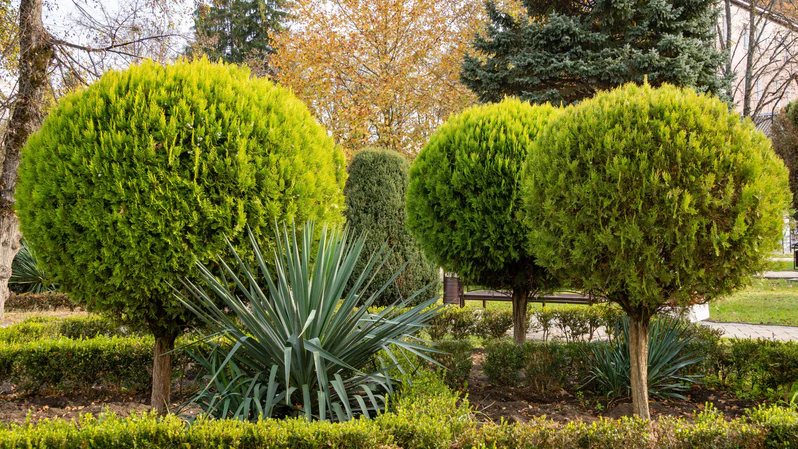
Uses: Ideal for hedges, privacy screens, shrub borders, and narrow spaces
-
Special feature: Dense foliage provides excellent coverage and windbreak capability
If you’re looking to add structure, beauty, and privacy to your garden in the UAE, Thuja Orientalis Pyramidalis is a perfect choice. This elegant conifer from the Cupressaceae family is known for its tall, columnar shape and dense, green foliage, making it ideal for hedges, privacy screens, or even as a striking standalone feature.
Native to North America and Asia, Thuja Orientalis Pyramidalis grows slowly but steadily, reaching up to 10 meters tall. Its flat, scale-shaped leaves remain vibrant green all year, creating a lush, evergreen presence in any landscape. Some cultivars even produce small, bluish fruits, adding seasonal interest and a unique decorative touch.
One of the reasons this plant works so well in the UAE is its adaptability. It thrives in full sun and can handle the dry, arid climate, making it low-maintenance for homeowners. The dense foliage also makes it ideal for creating informal hedges or screening off private areas in villas, gardens, and residential compounds.
Planting and Care Tips for the UAE:
-
Sunlight: Plant in full sun or partial shade for best results.
-
Soil: Well-drained soil is essential to prevent root rot.
-
Watering: Keep the soil moist during the first year, then reduce frequency once established.
-
Pruning: Light pruning helps maintain its elegant shape and encourages dense growth.
Whether planted individually, in a row, or grouped in shrub borders, Thuja Orientalis Pyramidalis brings year-round beauty, structure, and privacy to UAE gardens. With minimal effort, it transforms outdoor spaces into lush, green sanctuaries.
Faqs
-
What is Thuja Orientalis Pyramidalis?
It’s a columnar evergreen arborvitae with dense foliage, ideal for privacy screens, hedges, or ornamental garden accents. -
How fast does it grow?
This species has a moderate growth rate, typically reaching 6–10 feet in 5–7 years under optimal conditions. -
Where should I plant Thuja Orientalis Pyramidalis?
Plant in full sun to partial shade with well-drained soil. It’s perfect for narrow spaces or as a tall hedge. -
How do I care for it?
Water regularly during dry periods, prune to shape, and mulch around the base. Fertilize yearly to support healthy growth. -
Is it pest or disease resistant?
Generally hardy, but it can occasionally be affected by spider mites or fungal diseases. Proper care reduces risks. -
Can it survive cold winters?
Yes, it is cold-hardy and tolerates winter conditions well, making it suitable for temperate climates.
| Size | 80cm – 90cm (Pot: 10L) |
|---|
Related products

SaleHot
Select options
This product has multiple variants. The options may be chosen on the product page
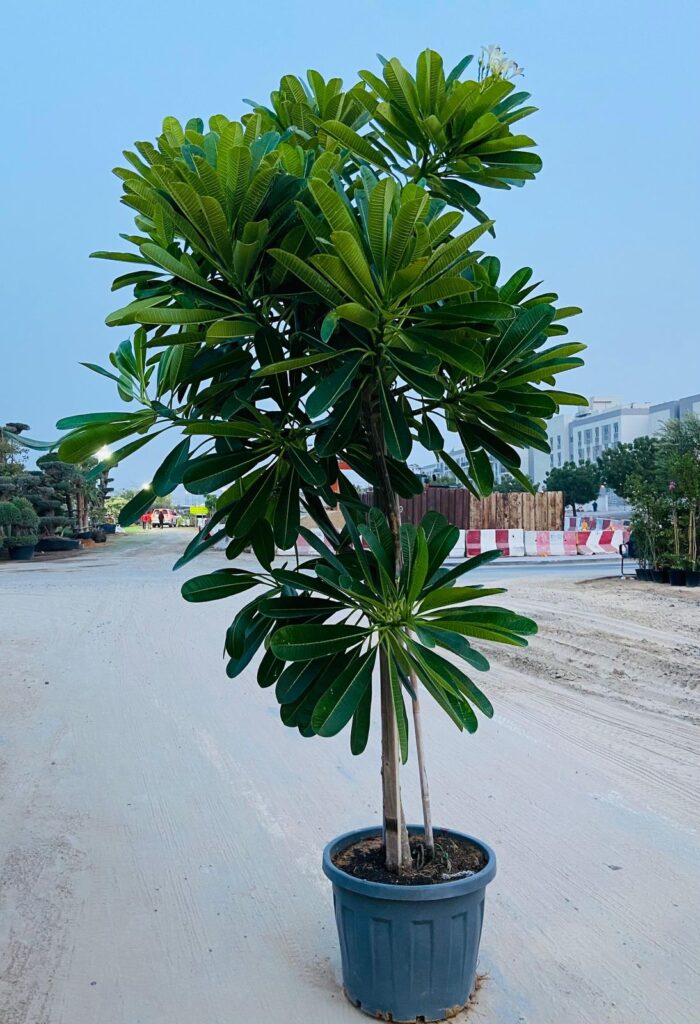
Plumeria – Frangipani Tropical Flowering Tree UAE
Plumeria – Frangipani Tropical Flowering Tree UAE
Price range: D590.00 through D2,300.00
160 cm
250 cm
350 cm

Select options
This product has multiple variants. The options may be chosen on the product page

Select options
This product has multiple variants. The options may be chosen on the product page
