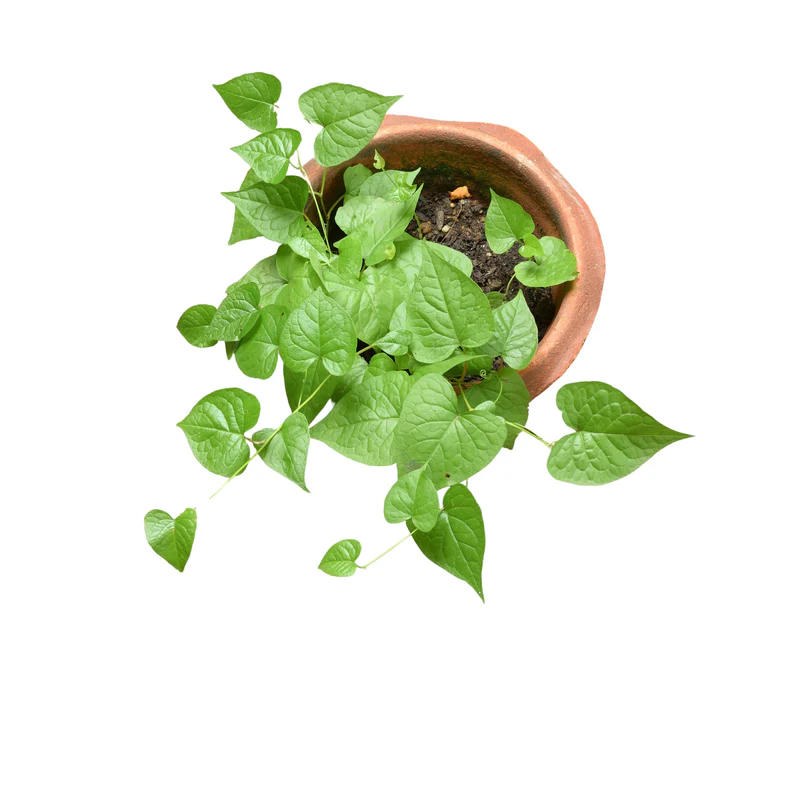
Antigonon Leptopus (Coral Vine/Coralita/Bee Bush/San Miguelito Vine)
D48.00
+5% vat will be applied at checkout
-
Origin – Native to Mexico, popular in warm climates.
-
Flower Clusters – Produces abundant light pink to dark pink blooms.
-
Vining Habit – Ideal for covering fences, trellises, and arbors.
-
Attractive Foliage – Heart-shaped green leaves enhance its ornamental appeal.
-
Long Blooming Season – Flowers for extended periods in warm conditions.
-
Soil Tolerance – Thrives even in poor soil with minimal care.
-
Light Adaptability – Grows well in a wide range of light conditions.
-
Invasive Potential – Can spread rapidly, making it successful but sometimes aggressive.
Antigonon leptopus, widely known as coral vine, is a stunning climbing plant native to Mexico. Its delicate flowers range from soft light pink to vibrant dark pink, forming large, eye-catching clusters that can brighten any garden.
Coral vine’s natural vining habit makes it perfect for covering fences, climbing trellises, or even creating shaded corners in outdoor spaces. Its heart-shaped foliage adds a charming backdrop to the profusion of flowers, creating a lush and inviting display. In warmer climates, it blooms over an extended period, making it a long-lasting source of color.
One of the reasons coral vine is so successful is its resilience. It tolerates poor soil and a wide range of light conditions, which allows it to thrive where other plants might struggle. While it can become invasive in some regions, when placed thoughtfully, it enhances any garden with its striking blooms and vigorous growth.
Whether you want a dramatic wall of flowers, a flowering fence, or a vibrant climbing accent, Antigonon leptopus is a versatile and beautiful choice for gardeners looking to add color and texture to their outdoor spaces.
Faqs
-
How much sunlight does Antigonon Leptopus need?
Full sun for at least 6 hours a day is ideal for flowering. -
How often should I water Antigonon Leptopus?
Water moderately, allowing the soil to dry slightly between waterings. -
What type of soil is best for Antigonon Leptopus?
Well-draining, fertile soil helps promote strong growth and blooms. -
Can Antigonon Leptopus grow in pots?
Yes, but it needs a large pot with good drainage for root expansion. -
When does Antigonon Leptopus bloom?
Blooms usually appear in late spring to summer with bright pink flowers. -
How do I prune Antigonon Leptopus?
Prune after flowering to shape the vine and remove dead or overcrowded stems.
| Size | 60cm – 80cm (Pot: 08L) |
|---|
Related products


Delonix Flame Tree – Majestic Outdoor Tree for UAE Gardens
Delonix Flame Tree – Majestic Outdoor Tree for UAE Gardens
D2,875.00
Olea Europaea (Olive Tree) – Mediterranean Outdoor Tree UAE
Olea Europaea (Olive Tree) – Mediterranean Outdoor Tree UAE
D17,000.00
Select options
This product has multiple variants. The options may be chosen on the product page
