

Select options
This product has multiple variants. The options may be chosen on the product page
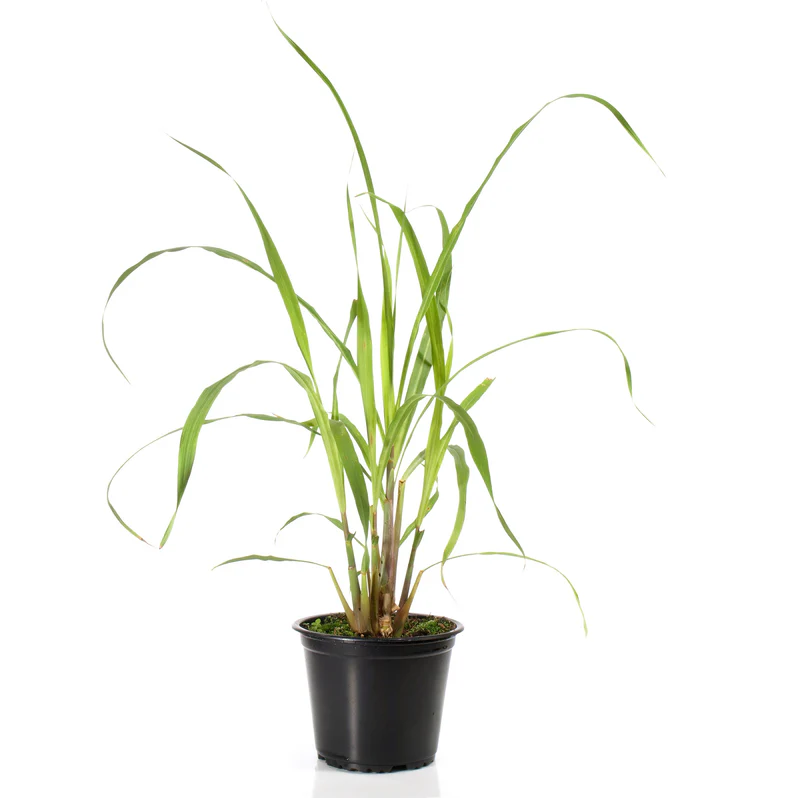
D26.40
+5% vat will be applied at checkout
Common names: West Indian Lemongrass, Lemongrass
Scientific name: Cymbopogon citratus
Native range: Southeast Asia
Family: Poaceae (grass family)
Type: Perennial, clumping ornamental grass with culinary and medicinal uses
Growth habit: Tall, upright, and fast-growing in warm, humid conditions
Leaves: Long, slender, arching blades with a strong lemon fragrance
Edibility: Widely used as a fresh herb in cooking, teas, and flavoring
Aroma/Flavor: Citrusy, refreshing scent and taste
Growing conditions: Requires full sun, warmth, and consistent moisture
Soil needs: Prefers well-draining soil; can be grown in large pots or directly in the ground
Uses: Dual-purpose plant for edible landscaping—ornamental appeal plus kitchen use
Special feature: Multiplies quickly when provided with proper heat, light, and water
Lemon Grass, also known as Cymbopogon—and sometimes called Barbed Wire Grass, Silky Heads, Cochin Grass, Malabar Grass, Oily Heads, or Fever Grass—is a fragrant, versatile plant native to Southeast Asia. Its tropical origins give it a unique combination of ornamental beauty and practical culinary use, making it a favorite for gardeners who want both style and function in their landscapes.
Lemon grass isn’t just an attractive ornamental grass. It also provides fresh, flavorful herbs for cooking. Planting it in your garden or in containers allows you to enjoy its citrusy aroma while adding a bold texture to borders, beds, or patio containers. It’s an excellent choice for edible landscaping, offering both curb appeal and fresh ingredients for teas, soups, and stir-fries.
Lemon thrives in warm, humid conditions similar to its native habitat. For best results:
Sunlight: Provide plenty of heat and bright light.
Watering: Keep the soil consistently moist but well-drained.
Soil: Use fertile, well-draining soil, whether in garden beds or containers.
If growing in pots, choose a large, wide container to support its tall growth and prevent tipping. With the right care, lemon grass grows quickly and can multiply over time, giving you a plentiful harvest.
Regular watering and full sun exposure help it thrive.
Trim leaves occasionally to encourage bushier growth.
Divide mature clumps every few years to control size and promote healthy growth.
Lemon grass is widely used in Asian cuisine for its fresh, citrusy flavor. It’s perfect for teas, soups, curries, marinades, and even homemade essential oils. Beyond the kitchen, its fragrance also helps repel insects naturally, making it both practical and decorative.
Whether you’re looking for a striking ornamental grass or a versatile culinary herb, Lemon Grass (Cymbopogon) delivers both. Its easy growth, fragrant leaves, and multiple uses make it a must-have for home gardeners who value beauty and functionality in the same plant.
1. What is Lemon Grass?
Lemon Grass is a fragrant herb with a citrus-like aroma, commonly used in cooking, teas, and natural remedies. It is popular in Asian cuisine and herbal gardens.
2. How do I grow Lemon Grasss?
Plant lemon grass in well-drained soil with full sun. Water regularly, especially in dry periods, and trim stems to encourage new growth.
3. Can Lemon Grass be grown indoors?
Yes, lemon grass can grow indoors in pots with sufficient sunlight or near a sunny window. Ensure proper drainage and avoid overwatering.
4. What are the uses of Grass?
It’s used in cooking for soups, teas, and marinades, and also has medicinal properties such as aiding digestion and relieving stress.
5. How do I harvest Lemon Grass?
Harvest by cutting stems near the base when they are at least 12 inches tall. Use fresh or store in the refrigerator for later use.
| Size | 40cm – 50cm (Pot: 06L) |
|---|



Faraz –
Fresh and fragrant
Amna Siddiq –
Healthy plant and well-rooted. I love the tall, slender leaves — they give a very tropical feel. Needed a bit of sun to settle, but now it’s thriving
Javed Khan –
Great quality Cymbopogon
Hina Rauf –
Beautiful, fresh-looking grass with a lovely scent. Works perfectly as a natural air freshener in my balcony garden. Very satisfied with the purchase
Umair –
This Fever Grass is amazing! Grows quickly and doesn’t need much care. I’ve already used it for herbal tea and it tastes incredible.