
Terminalia Catappa (Country Almond/Sea Almond/False Kamani/Indian Almond)
Price range: D180.00 through D540.00
+5% vat will be applied at checkout
-
Common names: Indian Almond, Tropical Almond, Country Almond, Sea Almond, False Kamani
-
Scientific name: Terminalia catappa
-
Type: Medium to large deciduous tropical tree
-
Height: Can grow up to 40 meters tall
-
Native range: Found mainly in Asia, Africa, and Australia
-
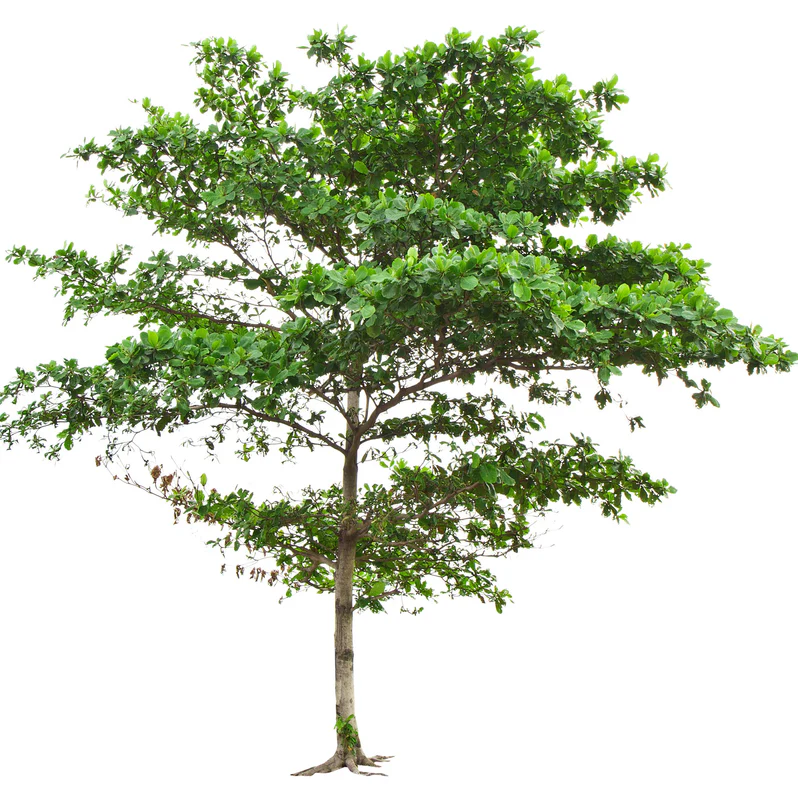
Leaves: Large, ovate, shiny, and arranged in rosette-like clusters; dark green turning bright red during the dry season before falling
-
Flowers: Small, greenish-white to white, borne on long slender racemes; generally considered insignificant
-
Fruits: Oval-shaped drupes that ripen to red, yellow, or green; edible in some regions
-
Bark: Dark gray or gray-brown, smooth and thin when young, cracking with age
-
Crown: Mature trees form flattened, dense, and wide-spreading crowns that provide deep shade
-
Seasonal interest: Foliage color change to red adds ornamental appeal
-
Uses: Shade tree, ornamental landscaping, coastal planting, edible fruits, and traditional medicinal applications
Terminalia Catappa (Country Almond/Sea Almond/False Kamani/Indian Almond)
Terminalia catappa, commonly called tropical almond or Indian almond, is a medium to large deciduous tropical tree is a large tree up to 40 m in height that grows mainly in Asia, Africa, and Australia. Greenish-white flowers are in a spike at the end of branches. Foliage is oval, shiny, borne in rosette-like clusters, and dark green before turning red and falling. Flowers are white and insignificant, but blooms are followed by red, yellow, or green fruit.
Leaves color green and can be red in the dry season in ovate shape. The bark of Indian almond trees is dark, a gray or gray-brown. It is smooth and thin, cracking as it ages. Mature trees have flattened, dense crowns. White blossoms appear on long slender racemes a few years after an almond tree is transplanted.
Faqs
1. What is Terminalia Catappa?
It’s a tropical tree commonly known as the Almond or Indian Almond Tree, valued for its broad canopy and ornamental appeal.
2. What size is the plant?
You can mention the height or pot size based on your available stock.
3. Is the plant well-rooted?
Yes, it comes with a healthy, established root system ready for planting.
4. Can it be grown outdoors?
Yes, it thrives in outdoor gardens, parks, and landscapes in tropical and subtropical climates.
5. Does it produce edible nuts?
Yes, Terminalia Catappa produces almond-like seeds, though it is mostly grown as an ornamental tree.
| Size | 150cm – 170cm (Pot: 18L), 200cm – 250cm (Pot: 30L), 300cm – 350cm (Pot: 50L) |
|---|
Related products
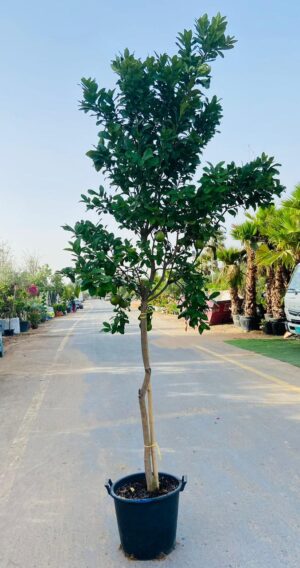

Jatropha – Tropical Flowering Outdoor Plant UAE
Jatropha – Tropical Flowering Outdoor Plant UAE
D280.00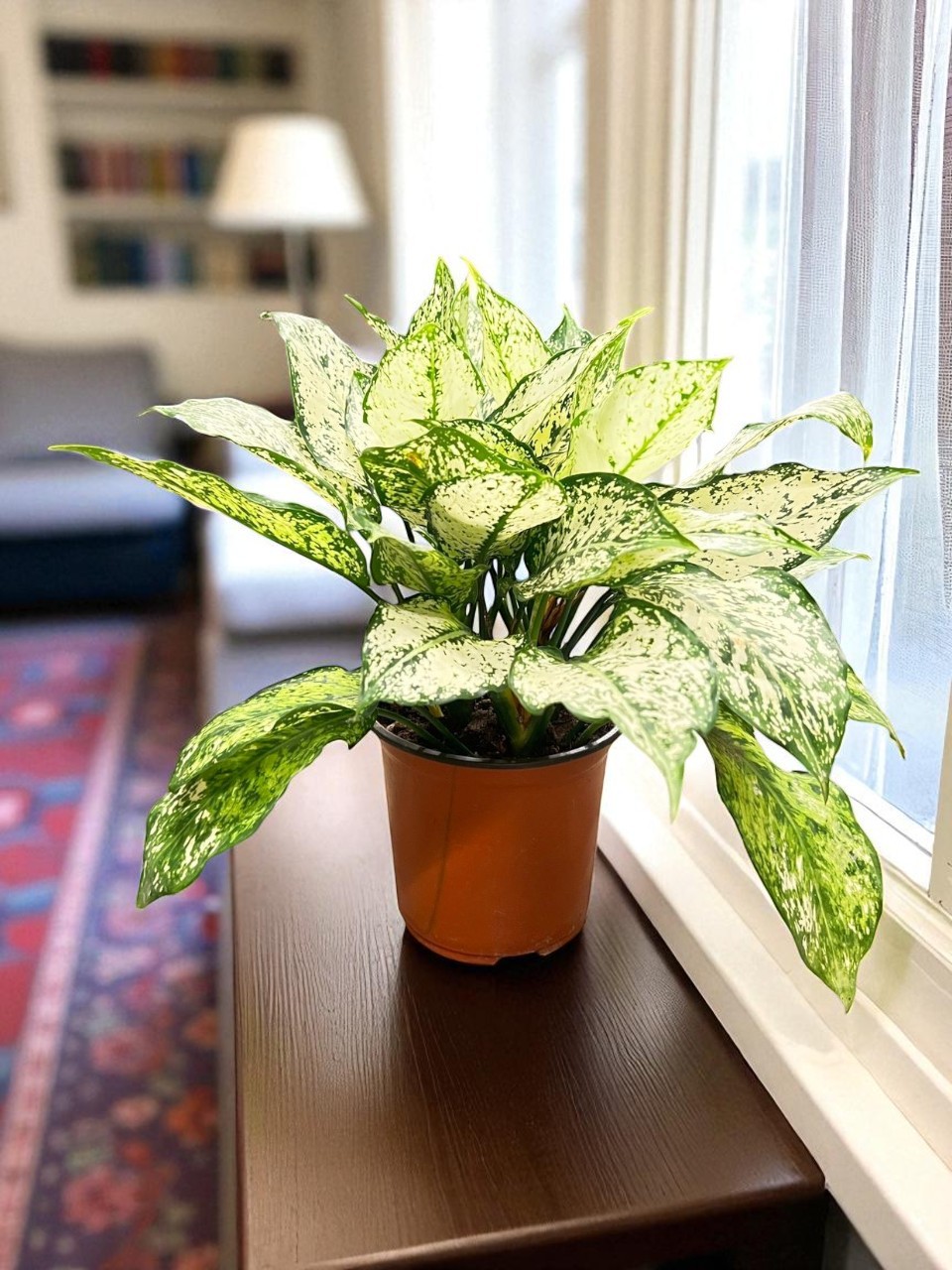
Select options
This product has multiple variants. The options may be chosen on the product page
Aglaonema Spring Snow – Elegant Low Maintenance Indoor Plant
Aglaonema Spring Snow – Elegant Low Maintenance Indoor Plant
D55.00
30 cm

Select options
This product has multiple variants. The options may be chosen on the product page
Snake Plant (Sansevieria) – Air Purifying Indoor Plant UAE
Snake Plant (Sansevieria) – Air Purifying Indoor Plant UAE
Price range: D40.00 through D75.00
20 cm
85 cm
