
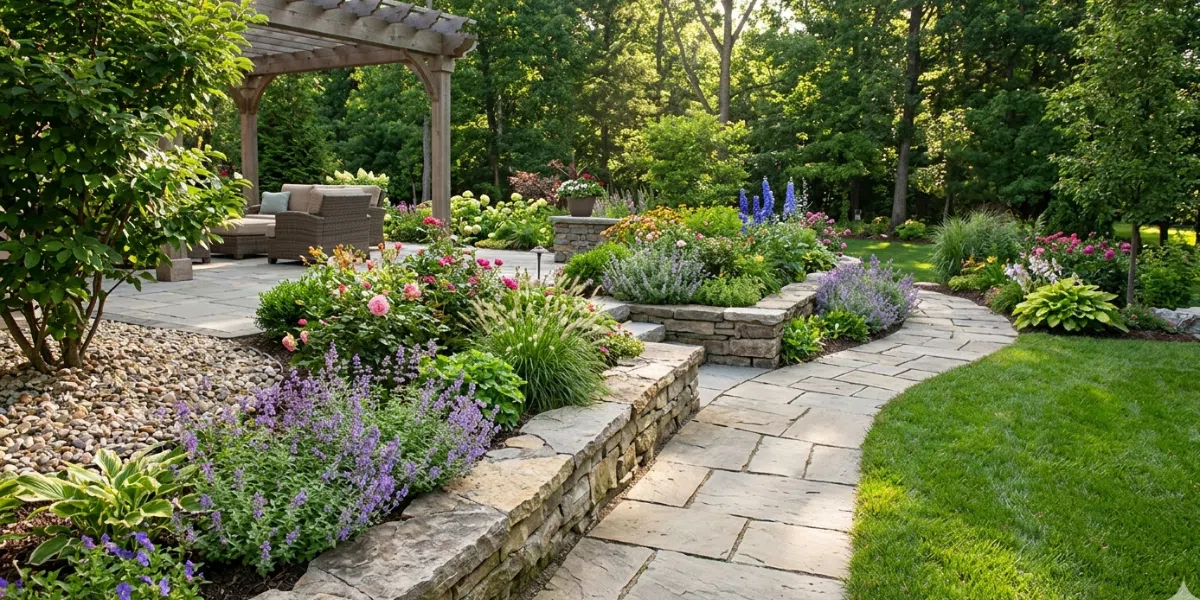
Creating a beautiful outdoor space requires more than simply planting flowers or laying a few stones. Professional landscape design is built on the balance of two essential elements known as hardscape and softscape design. These two components work together to transform ordinary outdoor areas into functional, visually appealing, and comfortable environments for relaxation and daily living.
In simple terms, hardscape refers to the non-living structural elements of landscaping such as patios, pathways, retaining walls, and pergolas. Softscape, on the other hand, includes all the living elements like plants, trees, shrubs, flower beds, and lawn grass. When these two elements are carefully planned together, they create a harmonious outdoor living space that combines structure, beauty, and natural life.
Understanding the difference between hardscape and softscape is essential for homeowners, property developers, and anyone interested in improving their outdoor spaces. Whether you are designing a backyard garden, a villa landscape, or a commercial outdoor area, the right balance between hardscape structures and softscape plants can significantly enhance both aesthetics and functionality.
This guide explains what hardscape landscaping and softscape landscaping mean, how they differ, and how professional landscape designers combine them to create modern outdoor environments.
What Is Hardscape in Landscaping?
Hardscape refers to the solid, non-living elements used in outdoor design. These elements form the structural foundation of a landscape and help define the layout of the space. In hardscape landscaping, materials such as stone, concrete, brick, wood, and metal are used to build permanent features that add durability and function to an outdoor area.
A well-planned hardscape layout organizes the outdoor environment and guides how people move through the space. For example, patios create outdoor seating areas, pathways provide access through gardens, and retaining walls help manage slopes and soil stability.
Some of the most common hardscape elements in landscape design include patios, walkways, driveways, pavers, retaining walls, pergolas, outdoor kitchens, fire pits, and decorative water features. These structures play a crucial role in shaping the landscape and improving usability.
One of the major benefits of hardscape design ideas is durability and low maintenance. Unlike plants and lawns, hardscape materials do not require watering, trimming, or seasonal care. They also help manage drainage and prevent soil erosion. In many cases, attractive hardscape features such as stone patios or outdoor seating areas can increase property value while creating inviting outdoor living spaces.
What Is Softscape in Landscape Design?
While hardscape provides the structure, softscape landscaping brings life and natural beauty to the outdoor environment. Softscape refers to all the living elements within a landscape, including plants, trees, shrubs, grass, flowers, and ground cover.
In garden design, softscape is responsible for color, texture, fragrance, and seasonal changes that make outdoor spaces feel vibrant and welcoming. Landscapers carefully choose plants based on climate, soil conditions, sunlight, and maintenance requirements to ensure that the garden remains healthy and visually appealing throughout the year.
Typical examples of softscape in landscaping include lawns, ornamental plants, flower beds, hedges, shrubs, shade trees, and decorative ground covers. Garden soil and mulch also fall under softscape because they support plant growth and improve soil health.
The benefits of softscape plants go beyond aesthetics. Plants improve air quality, provide shade, reduce outdoor temperatures, and support biodiversity by attracting birds and pollinators. In residential areas, lush greenery can create a calm and relaxing atmosphere that enhances the overall outdoor experience.
Softscape also adds softness to hard architectural elements. Without plants and greenery, landscapes filled only with stone and concrete may feel harsh or uninviting. The natural forms of trees and shrubs help soften edges and create visual balance.
 Hardscape vs Softscape: Key Differences
The hardscape vs softscape comparison helps explain how these two elements function differently within landscape design. Hardscape represents the structural backbone of the landscape, while softscape introduces organic life and movement.
Hardscape materials such as stone pathways, patios, pergolas, and retaining walls create fixed structures that define space and support outdoor activities. Softscape, however, evolves and grows over time through living plants, flowers, trees, and lawns.
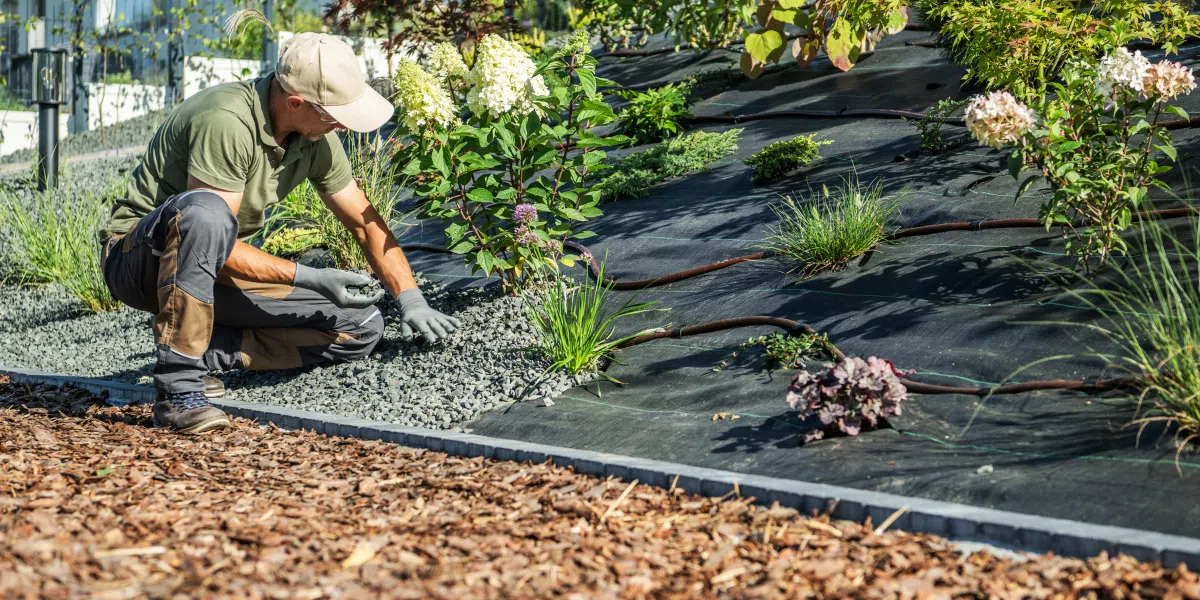
Another important difference is maintenance. Hardscape features generally require less maintenance once installed, while softscape elements require regular watering, pruning, fertilizing, and seasonal care. Despite this difference, both components are equally important because each serves a distinct purpose in outdoor design.
Professional landscape designers always consider the hardscape and softscape balance in landscaping. Too much hardscape can make a garden look rigid and lifeless, while too much softscape may create an unorganized space that lacks structure.
Examples of Hardscape Elements
Hardscape elements define how people interact with the outdoor environment. A well-designed patio can become a social gathering space, while a stone pathway can guide visitors through different areas of a garden.
Popular hardscape landscaping ideas include natural stone patios, decorative pavers, outdoor seating areas, wooden pergolas, garden walls, water fountains, and fire pits. These features help create functional outdoor living spaces where families can relax, entertain guests, or enjoy nature.
Driveways and walkways also fall under hardscape design because they provide accessibility and improve the layout of the property. Retaining walls are another essential feature used to manage sloped terrain and protect landscapes from erosion.
When selecting hardscape materials, designers often choose textures and colors that complement the surrounding natural environment. Natural stone, wood, and earthy tones blend well with greenery and create a cohesive outdoor design.
Examples of Softscape Landscaping
Softscape plays an equally important role by adding visual richness and ecological value to the landscape. A carefully designed garden may include layered plant arrangements with trees providing shade, shrubs adding structure, and flowers contributing seasonal color.
Common softscape landscaping ideas include lush lawns, flowering plants, ornamental grasses, climbing vines, decorative hedges, and shade trees. Flower beds can create vibrant focal points, while ground covers help protect soil and reduce weeds.
Many modern gardens also incorporate tropical plants, vertical gardens, and drought-resistant species depending on the climate and maintenance goals. Choosing the right plants is essential for creating a sustainable and visually balanced landscape.
The relationship between hardscape and softscape becomes most visible when plants are placed around structural features such as patios or pathways. This technique helps soften the edges of stone or concrete surfaces while enhancing the overall natural appeal of the outdoor area.
 Why Both Hardscape and Softscape Are Important
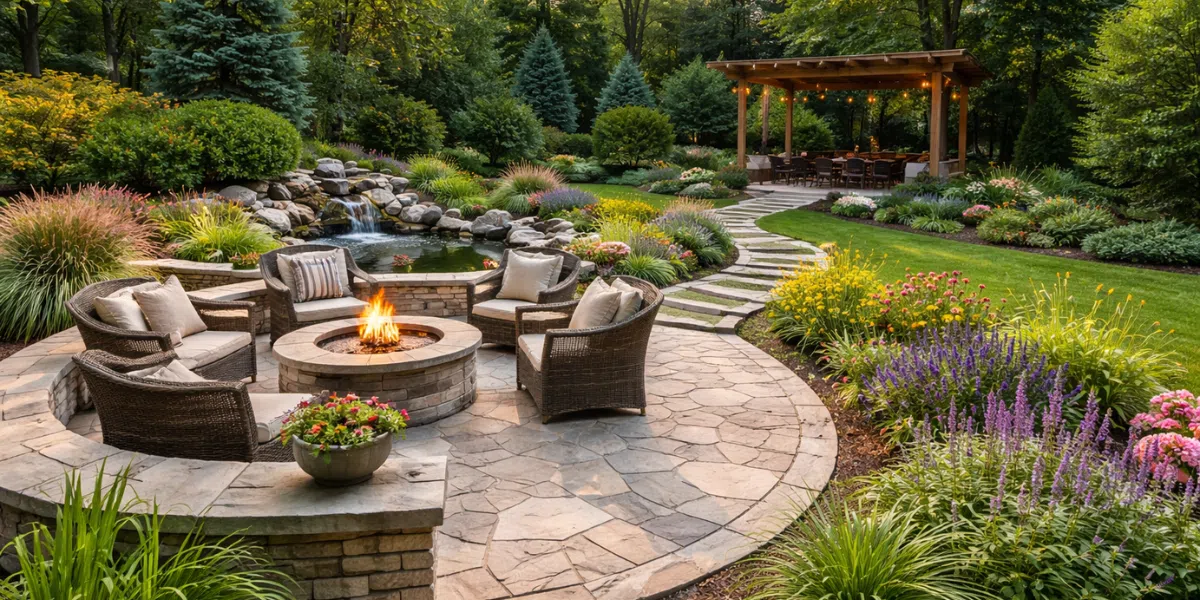
Successful landscape design always combines both elements to achieve balance and functionality. Hardscape provides the framework that organizes the outdoor space, while softscape adds life and movement.
For example, a stone patio surrounded by lush greenery creates a relaxing seating area, while a garden pathway lined with flowers invites visitors to explore the landscape. Water features surrounded by plants can also create a peaceful atmosphere that blends architecture with nature.
The integration of these elements ensures that outdoor spaces are not only attractive but also practical. Hardscape supports outdoor activities such as dining and entertaining, while softscape enhances environmental quality and visual beauty.
Many professional landscape designers focus on creating harmony between materials and plants so that every feature complements the surrounding environment.
How Landscape Designers Balance Hardscape and Softscape
Achieving the right balance between structural elements and living plants requires thoughtful planning. Designers begin by analyzing the property layout, sunlight exposure, soil quality, and drainage conditions before selecting appropriate materials and plants.
The first step usually involves establishing the hardscape foundation, which includes patios, pathways, retaining walls, and other structural features. Once the layout is defined, designers introduce softscape elements such as trees, shrubs, and flower beds to soften the built structures.
Plants are often layered strategically to create depth and visual interest. Taller trees may provide shade and privacy, while medium shrubs create structure and smaller plants add color and texture.
Experienced landscape professionals understand how to combine materials and plants to create long-lasting outdoor environments. Companies such as Spectrum360 specialize in designing landscapes where hardscape structures and softscape greenery work together to form cohesive outdoor spaces that are both functional and aesthetically appealing.
By integrating natural elements with architectural features, professional designers ensure that landscapes remain beautiful and sustainable for years.
Frequently Asked Questions
Many homeowners ask what the difference is between hardscape and softscape. The simplest explanation is that hardscape includes all the non-living structural elements of landscaping, while softscape refers to the living components such as plants and trees.
Another common question is whether hardscape or softscape should be installed first. In most professional projects, hardscape structures are installed first because they establish the layout and foundation of the landscape. After that, softscape plants are added to enhance beauty and soften the design.
People also wonder why hardscape is important in landscaping. Hardscape provides functionality by creating patios, walkways, and outdoor living areas while also helping manage drainage and soil stability.
Conclusion
Understanding hardscape and softscape design is essential for creating well-balanced outdoor environments. Hardscape elements such as patios, pathways, pergolas, and retaining walls provide structure and functionality, while softscape features like trees, shrubs, lawns, and flowers bring natural beauty and ecological benefits.
When these two elements are thoughtfully combined, they transform ordinary outdoor spaces into inviting landscapes that support relaxation, social gatherings, and connection with nature. Whether designing a backyard garden or a large commercial landscape, achieving the right balance between hardscape and softscape is the key to successful outdoor design.
Professional landscaping experts like Spectrum360 understand how to integrate materials, plants, and layout planning to create outdoor spaces that are both visually stunning and practical. With the right approach, any landscape can become a harmonious blend of structure and nature that enhances the beauty and value of a property.