Olive trees are among the most resilient and iconic trees in the world, known for their ability to thrive in warm climates and dry landscapes. The best environment for olive tree growth includes a sunny location, well-drained soil, moderate watering, and warm temperatures similar to Mediterranean regions. Because of these characteristics, olive trees have become increasingly popular in landscaping projects across the Middle East and the UAE. Many landscape designers now incorporate olive trees into modern outdoor spaces because they combine beauty, longevity, and drought tolerance. Professional landscaping companies such as www.spectrum360.ae frequently recommend olive trees for villas, courtyards, and luxury garden landscapes due to their elegant appearance and ability to adapt to desert climates.
The Natural Habitat of Olive Trees
To understand the ideal growing environment for olive trees, it is helpful to look at their natural habitat. Olive trees originate from the Mediterranean region, where countries like Greece, Italy, Spain, and Turkey have cultivated them for thousands of years. The Mediterranean climate is characterized by hot, dry summers and mild winters with moderate rainfall. These conditions allow olive trees to grow steadily while developing strong root systems capable of accessing deep water sources.
The Mediterranean environment also provides long periods of sunlight throughout the year. Olive trees evolved to thrive in these sunny and dry conditions, which is why they perform best in locations where rainfall is limited but sunlight is abundant. Unlike many other trees that require humid climates, olive trees prefer relatively dry air and well-ventilated environments.
 Climate Requirements for Olive Trees
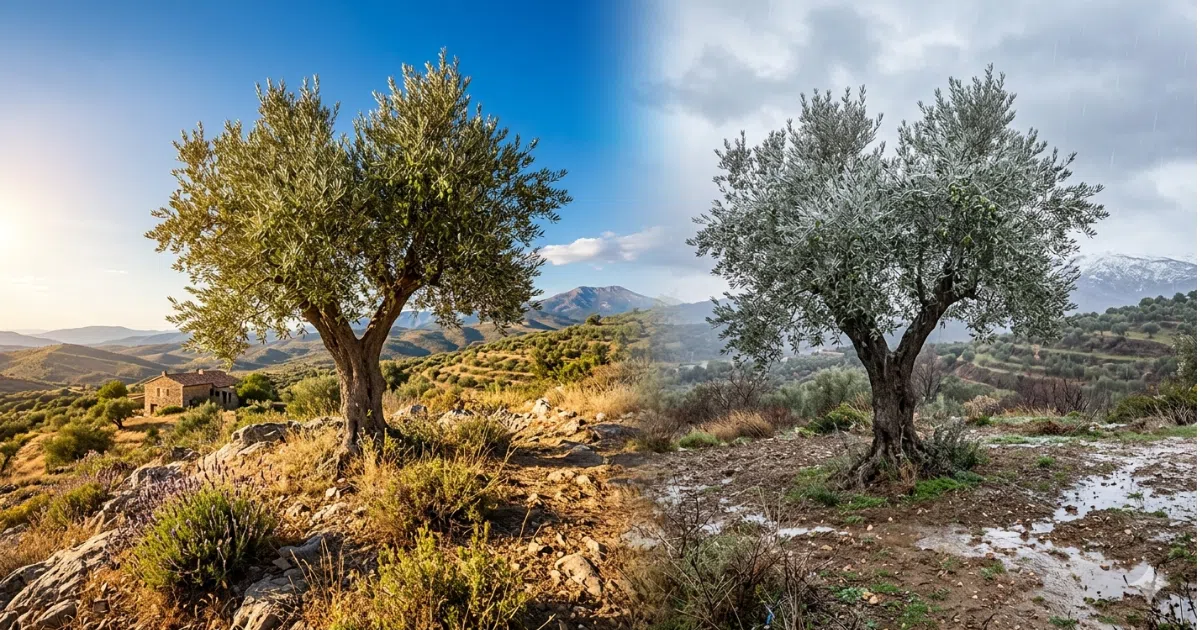
Climate is one of the most important factors that determines whether an olive tree will thrive. Olive trees grow best in warm climates where temperatures typically range between 15°C and 30°C. These temperatures encourage healthy growth, leaf development, and fruit production. During the summer months, olive trees can tolerate even higher temperatures, sometimes exceeding 40°C, as long as they receive sufficient irrigation and soil drainage.
Although olive trees love heat, they are not extremely tolerant of freezing temperatures. Severe frost can damage branches and affect fruit production. For this reason, olive trees grow best in regions where winters are mild. They do require a small amount of winter chill to trigger fruiting cycles, but prolonged cold conditions can be harmful.
In regions such as the UAE, where summers are very hot, olive trees can still grow successfully when planted in suitable soil and provided with controlled irrigation. Their natural drought resistance makes them ideal for landscapes that aim to conserve water while maintaining a lush and sophisticated appearance.
Sunlight Needs for Healthy Olive Trees
Sunlight plays a vital role in olive tree development. Olive trees require full sun exposure for most of the day in order to grow properly. Ideally, they should receive at least six to eight hours of direct sunlight daily. This consistent sunlight helps the tree produce energy through photosynthesis, which strengthens the branches and promotes healthy leaf growth.
When olive trees receive sufficient sunlight, they develop dense foliage and a balanced canopy. Sunlight also plays a major role in fruit production. Trees grown in shaded environments often produce fewer olives and may grow more slowly.
In landscaping design, olive trees are usually planted in open spaces where sunlight is unobstructed. Courtyards, villa gardens, and large landscape areas are ideal planting locations because they allow sunlight to reach the tree from multiple angles throughout the day.
Soil Conditions That Olive Trees Prefer
Another key factor that influences the health of an olive tree is soil quality. Olive trees grow best in well-drained soil that allows excess water to flow away from the roots. Waterlogged soil can cause root rot, which is one of the most common problems affecting olive trees.
Sandy soil, loamy soil, or sandy-loam mixtures are considered ideal for olive tree cultivation. These soil types provide good drainage while still retaining enough moisture to support root growth. In addition to drainage, soil pH is also important. Olive trees typically prefer slightly alkaline soil with a pH ranging between 6.5 and 8.5.
In desert environments, soil often contains sand and mineral content that can actually benefit olive tree growth when combined with proper irrigation techniques. Landscape professionals often improve soil structure by mixing organic compost or planting the tree in raised beds to ensure optimal drainage.
Water Requirements and Irrigation
Although olive trees are well known for their drought tolerance, they still require water during their early growth stages. Young olive trees need consistent irrigation until their root systems become well established. Once mature, olive trees can survive with minimal watering compared to many other ornamental trees.
Deep watering is generally recommended rather than frequent shallow watering. Deep irrigation encourages roots to grow deeper into the soil, making the tree more resilient to dry conditions. In many modern landscapes, drip irrigation systems are used because they deliver water directly to the root zone without wasting excess water.
Overwatering is one of the most common mistakes when caring for olive trees. Excess moisture can lead to fungal diseases and root problems. Maintaining balanced irrigation is therefore essential for long-term tree health.
 Can Olive Trees Grow in Desert Climates Like the UAE?
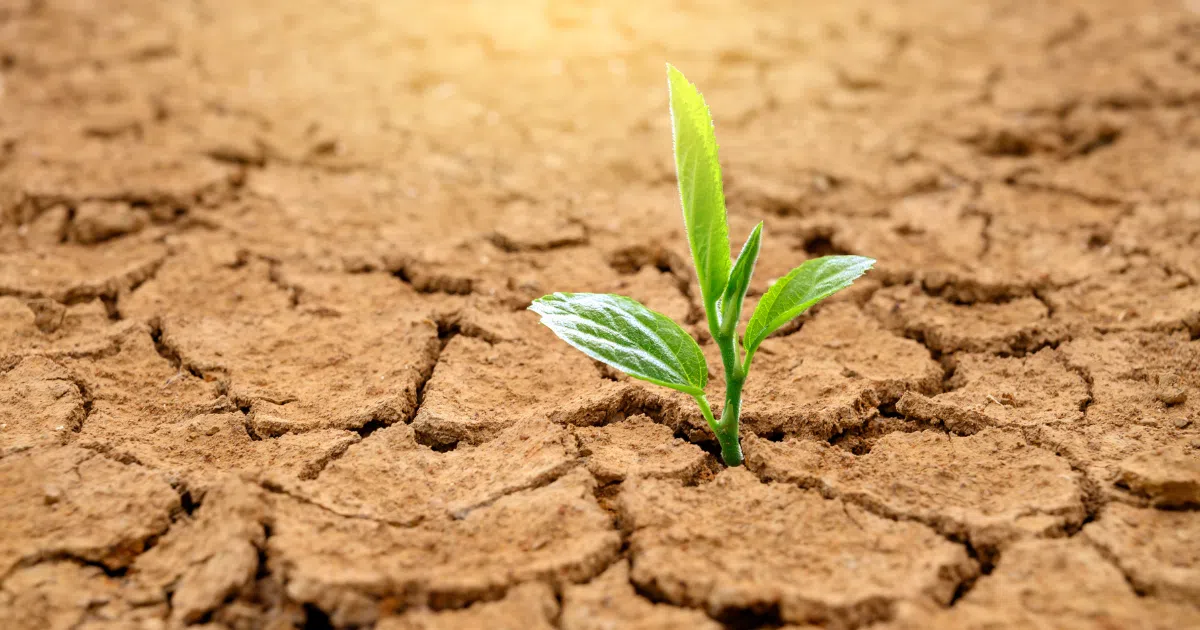
Many people wonder whether olive trees can survive in desert climates such as the UAE. The answer is yes. Olive trees are surprisingly adaptable and can grow successfully in desert environments when certain conditions are met.
The key factor is soil drainage combined with controlled irrigation. Desert climates typically provide the intense sunlight that olive trees love, but irrigation must compensate for the lack of natural rainfall. When planted in well-drained soil with drip irrigation systems, olive trees can thrive even in hot and dry regions.
This adaptability is one reason why olive trees are becoming increasingly popular in Middle Eastern landscaping. Their ability to tolerate heat and drought makes them a sustainable choice for modern outdoor spaces that aim to conserve water while maintaining a beautiful natural aesthetic.
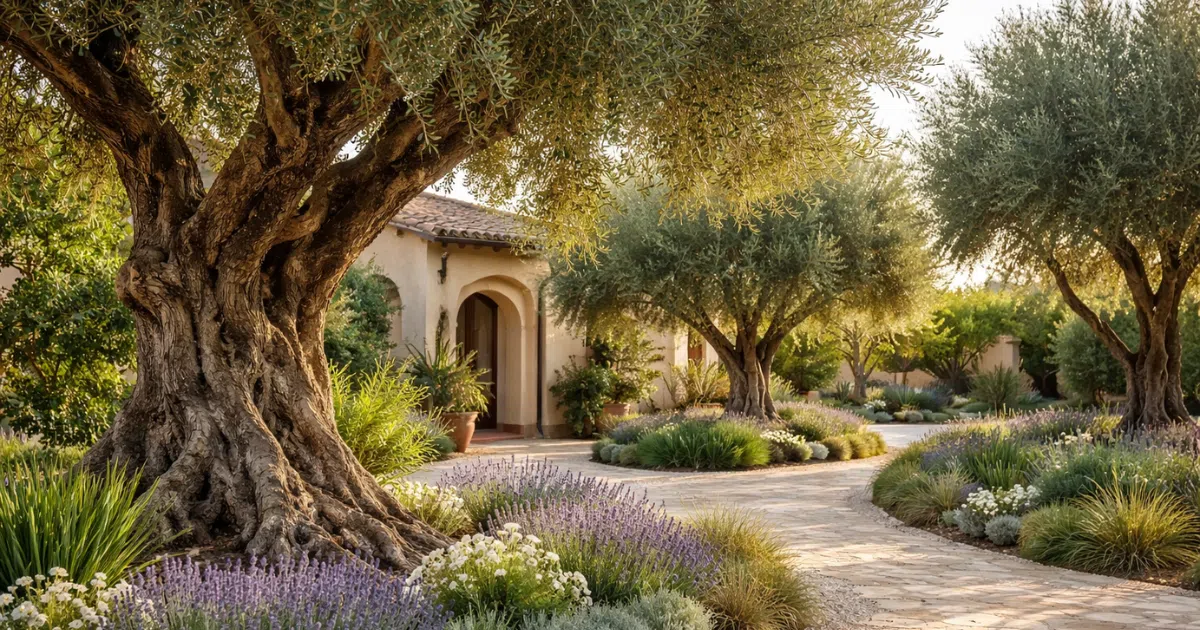
Many landscape designers incorporate olive trees into Mediterranean-style gardens, where they serve as focal points that create a timeless and elegant atmosphere. Projects designed by landscaping specialists such as www.spectrum360.ae often feature olive trees because they blend perfectly with stone pathways, decorative gravel, and modern villa architecture.
Landscaping Benefits of Olive Trees
Beyond their adaptability, olive trees provide several aesthetic and environmental benefits that make them valuable in landscape design. Their silvery-green leaves create a soft contrast against desert landscapes, while their twisted trunks give gardens a distinctive Mediterranean character.
Olive trees are also extremely long-lived. Some trees in the Mediterranean region are hundreds of years old, which makes them symbols of endurance and heritage. In landscaping, mature olive trees can instantly create the appearance of an established garden.
Another advantage of olive trees is their relatively low maintenance requirement. Once established, they require less water than many ornamental plants and trees. This makes them ideal for sustainable landscaping strategies that focus on water conservation and environmentally responsible design.
Because olive trees are evergreen, they also maintain their foliage throughout the year. This provides continuous greenery and shade in outdoor environments, making them attractive options for residential gardens, resorts, and public landscapes.
Common Mistakes When Growing Olive Trees
Even though olive trees are hardy plants, certain mistakes can prevent them from thriving. One of the most common issues is planting them in soil that retains too much water. Poor drainage can quickly lead to root diseases and decline in tree health.
Another mistake is planting olive trees in areas that do not receive enough sunlight. Without adequate sunlight, olive trees may develop weak growth and produce fewer fruits. Proper placement in open, sunlit areas is therefore essential.
Overwatering is another common problem. Because olive trees are drought tolerant, excessive watering can do more harm than good. It is important to allow the soil to dry slightly between watering sessions to maintain healthy root conditions.
Finally, planting olive trees in low-lying areas where water accumulates can also create problems. Elevated planting areas or gently sloped terrain are generally better choices for olive tree cultivation.
 Why Olive Trees Are Perfect for Mediterranean-Style Landscapes
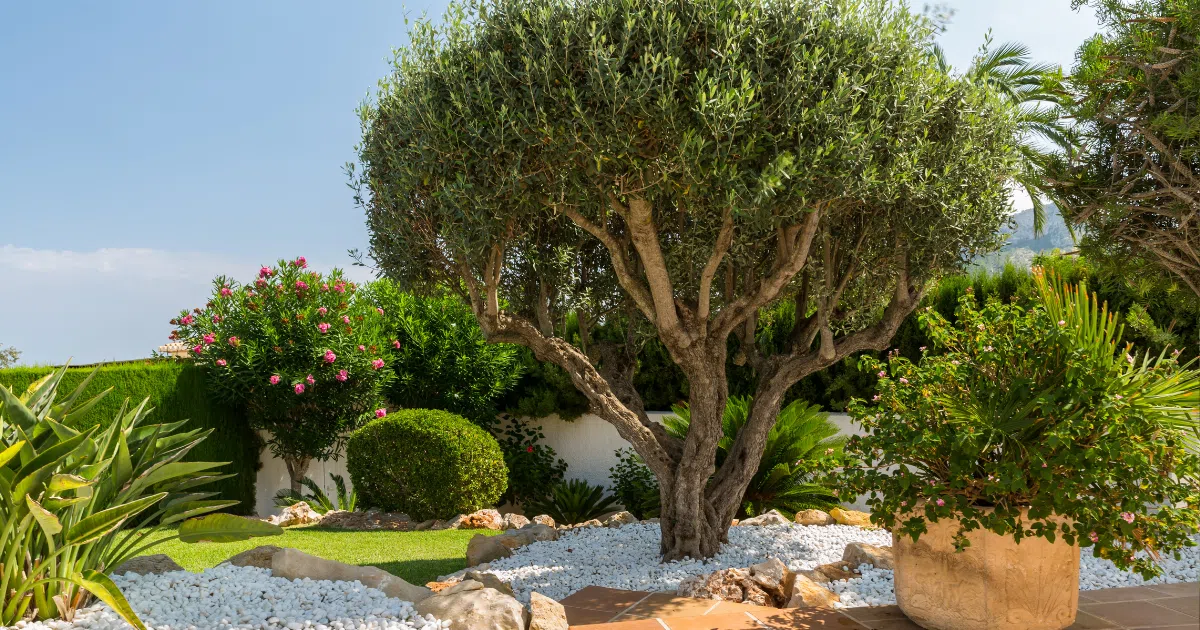
Olive trees have become a defining element of Mediterranean-inspired landscaping. Their sculptural trunks, soft foliage, and drought resistance make them ideal for modern outdoor designs that prioritize both beauty and sustainability.
In villa gardens, olive trees can serve as central focal points surrounded by gravel pathways, decorative stone, and aromatic plants such as lavender and rosemary. In larger landscapes, they can be planted in rows to create shaded walkways or natural boundaries between different garden zones.
Because olive trees thrive in sunny and dry conditions, they align perfectly with landscaping trends that focus on low-water gardening. This approach reduces irrigation requirements while maintaining an elegant and timeless garden appearance.
Conclusion
The best environment for an olive tree includes warm temperatures, abundant sunlight, well-drained soil, and moderate watering. These conditions closely resemble the Mediterranean climate where olive trees have thrived for centuries. When these environmental factors are carefully managed, olive trees can grow successfully even in desert regions such as the UAE.
Their durability, long lifespan, and distinctive appearance make olive trees one of the most valuable trees for landscaping projects. Whether used as focal points in villa gardens or incorporated into large outdoor landscapes, olive trees bring both beauty and resilience to outdoor spaces. By understanding their climate, soil, and sunlight requirements, gardeners and landscape designers can ensure that olive trees thrive for generations while enhancing the natural elegance of the surrounding environment.